
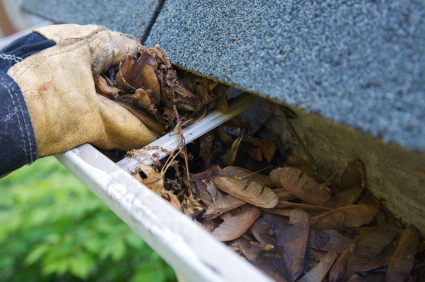
Ah, Vancouver rain. It keeps the city green, the moss happy, and your gutters very, very busy.
Most of the time, you don’t think about your gutters at all. (Honestly, that’s how it should be.) But the moment they clog, they stop being a quiet little drainage system and start being a problem.
Here’s the thing about overflowing gutters: the damage doesn’t stop when the rain does.
That water spilling over the edge isn’t just splashing harmlessly onto your walkway. It’s soaking into your fascia, sneaking into your soffits, and running down your siding in places it was never meant to go.
So let’s talk about what’s really happening up there, the warning signs to watch for, and why regular gutter cleaning is a whole lot cheaper than the repairs that follow when it gets skipped.
Why Gutters Overflow in the First Place
Gutters have one job: catch the water coming off your roof and send it down the downspouts, away from your home. (If you want the full rundown, here’s how gutters protect your home.)
When something gets in the way, that water has exactly one place left to go.
Over the edge.
The usual suspects behind gutters overflowing in Vancouver:
- Leaves and needles. Our maples, cedars, and firs don’t just shed in the fall. Fir needles are especially sneaky, matting together into a soggy, sponge-like layer that water can’t get through.
- Moss and roof grit. Moss loves our climate almost as much as slugs do. It breaks loose in heavy rain and washes straight into your gutters, along with granules from your shingles.
- Clogged downspouts. Your gutters can look totally clear from the ground while the downspout below is completely plugged. The water backs up and spills over at the nearest low spot.
- Sagging gutters. Gutters need a slight slope toward the downspout. When brackets loosen, water pools in the dips instead of draining.
Nine times out of ten, though, overflowing gutters come down to one thing: debris. And because it builds up slowly, the overflow usually starts as a sneaky little trickle long before anyone notices.
What Overflowing Gutters Do to Your Fascia
Your fascia is the long board running along the edge of your roof. Your gutters are fastened right to it.
Which means when water spills over, your fascia is first in line to get soaked. And last in line to dry out.
Here’s how it usually plays out:
- It stays wet. When water spills over the back of the gutter instead of the front, it runs straight down the fascia. In a Vancouver winter, that board might barely dry out for months.
- The paint gives up. Moisture sneaks behind the paint, and it starts to bubble, peel, and flake. Now the bare wood is exposed.
- The wood rots. Soggy wood goes soft and spongy. (If a screwdriver sinks in like it’s a birthday cake, that’s not a good sign.)
- Your gutters start to let go. Rotting fascia can’t hold screws and brackets the way it used to. Add the weight of wet debris and standing water, and your gutters start to sag or pull away.
And that’s where things get frustrating. A sagging gutter holds even more water, which means more overflowing gutters, which means more rot. Round and round it goes.
What could have been a simple cleaning turns into new fascia boards, and sometimes new gutters too.
Rotted fascia also leaves gaps along your roofline. Those gaps let water reach your roof structure, and they’re basically an open invitation for squirrels, rats, and birds looking for a cozy place to spend the winter.
How Overflowing Gutters Damage Your Soffits
Soffits are the panels tucked under your roof overhang, between the fascia and your walls. Most are vented to let air flow into your attic, which helps keep moisture in check up there.
That airflow is great. Until you’ve got gutters overflowing right above it.
Water wicks along the fascia, drips onto the soffits, and from there:
- They stain and sag. Wood soffits soak up water, swell, and start to warp and droop.
- Mold moves in. Soffits live in the shade and almost never see the sun, so they stay damp. Mold and mildew are thrilled about this. You won’t be.
- Your attic gets damp. Water pulled through the vents can soak into your attic insulation, and wet insulation doesn’t do a great job of keeping your home warm.
- Critters find a way in. Soft, rotting soffits are easy for pests to chew through. Plenty of raccoon and rodent stories start right here.
Vinyl and aluminum soffits aren’t totally off the hook, either. They won’t rot themselves, but they can hide wet, rotting wood behind them until the damage is well underway.
That’s what makes overflowing gutters so sneaky. A lot of the damage happens where you can’t see it.
What Happens to Your Siding When Gutters Overflow
Your siding is built to handle rain. Regular, falling-from-the-sky rain.
What it’s not built for is a steady stream of water pouring down the same patch of wall for hours at a time. Which is exactly what overflowing gutters deliver.
How that plays out depends on what your home is wearing:
- Wood siding: Paint peels, boards swell and split, and rot sets in along the joints and bottom edges.
- Fibre cement: Tough stuff, but constant soaking wears down the paint and caulking, and water finds its way in at the seams and trim.
- Vinyl: It won’t rot, but water can run behind the panels and soak whatever’s underneath.
- Stucco: It absorbs water, then stains, cracks, and can trap moisture inside the wall. (Vancouver knows a thing or two about that one.)
And the stuff you can see is only half the story. With gutters overflowing for months on end, water can work its way behind your siding and into the wall itself, where it’s out of sight and very much not out of mind.
Then there’s the splash zone. Water hitting your patio or garden beds bounces dirt and moisture right back up onto the bottom of your walls, leaving muddy streaks and a nice, damp spot for mildew to set up shop. If those streaks have already moved in, our pressure washing team can help evict them.
The Domino Effect: How a Little Overflow Becomes a Big Repair
The real problem with overflowing gutters? They don’t cause one problem. They cause a chain of them.
- Debris builds up and water starts spilling over.
- Your fascia stays wet, rots, and loosens its grip on the gutters.
- The gutters sag, hold more water, and overflow even more.
- Water runs onto your soffits and down your siding.
- It all ends up pooling at the base of your walls, soaking the soil around your foundation.
By the time most homeowners notice, it’s rarely one quick fix. It’s fascia, soffits, siding, paint, and sometimes the gutters themselves.
Compare that to a regular gutter cleaning, and it’s not exactly a tough call.
The longer you leave your gutters overflowing, the more of your home gets dragged into the repair bill. (And nobody wants that kind of group project.)
Warning Signs of Overflowing Gutters
Good news: you don’t need to climb a ladder to spot the early signs. Just grab an umbrella (fitting, we know) and take a walk around your home during or right after a heavy rain.
Keep an eye out for:
- Water pouring over the edge instead of flowing out of your downspouts.
- A waterfall behind the gutter, dripping between the gutter and the fascia.
- Peeling or bubbling paint on your fascia or soffits.
- Dark streaks or stains running down your siding.
- Sagging gutters or gutters pulling away from the house.
- Plants growing out of your gutters. If something’s growing up there, it’s officially a garden, not a gutter.
- Puddles, eroded soil, or muddy splash marks along the base of your walls.
Spot one or two of these? You’re probably already dealing with overflowing gutters, and the damage may have started where you can’t see it. (Here are a few more signs it’s time to clean your gutters.)
Catching gutters overflowing early is the difference between a quick clean and a full-blown renovation.
How to Prevent Overflowing Gutters in Vancouver
Here’s the best part: overflowing gutters are almost entirely preventable. No heroics required.
- Clean them more than once a year. We know, we know. But in Vancouver’s tree-heavy neighbourhoods, once a year usually doesn’t cut it. For most homes, we recommend at least twice a year: once in late fall after the leaves drop, and once in spring to clear out whatever winter left behind. Surrounded by big evergreens? You may need a little more attention than that.
- Don’t forget the downspouts. A clean gutter with a clogged downspout is like a sink with a plugged drain. You’ll still end up with gutters overflowing at the corners.
- Keep an eye on sagging sections. If water is pooling in one spot, a bracket may have loosened or the slope may be off.
- Deal with roof moss. Moss is one of the biggest sources of gutter gunk around here. Less moss on the roof means less sludge in your gutters. (Our fall home exterior checklist covers what to look for up there.)
- Leave the ladder work to the pros. Wet roofs, tall ladders, and Vancouver weather aren’t a great combo, which is why safety comes first on every job we do. (Your weekend plans will thank you, too.)
How Umbrella Property Services can help: Our gutter cleaning Vancouver service goes well beyond scooping out leaves. Every visit includes a health and safety check of your property, a condition inspection of your gutters and downspouts (with a written report for your peace of mind), a deep clean to clear out leaves, moss, dirt, and debris, and a downspout check to make sure water is flowing freely. And when we’re done, we leave no trace. Learn more about our gutter cleaning services.
Frequently Asked Questions
Are overflowing gutters an emergency? Not usually a drop-everything emergency. But overflowing gutters shouldn’t wait for the next big storm, either. Every heavy rain adds a little more moisture to your fascia, soffits, and siding.
Why are my gutters overflowing even after they’ve been cleaned? If you’re still seeing gutters overflowing after a clean, the usual culprits are a blocked downspout or a gutter that’s lost its slope. Our condition inspection can help pinpoint which one.
Can overflowing gutters cause foundation problems? They can. Overflowing gutters dump water right at the base of your walls instead of sending it away through your downspouts. Over time, that soggy soil can lead to bigger issues around your foundation.
How often do I need gutter cleaning in Vancouver? At least twice a year for most homes, and more often if you’ve got big trees nearby. If you only book one, make it late fall. That’s the gutter cleaning Vancouver homes need most before the heavy rains really settle in. (More on timing in our guide to gutter cleaning in Vancouver.)
Can I tell if my gutters are overflowing without going on the roof? Yep. Look for water spilling over the edges during rain, stains on your siding, peeling paint on your fascia, or splash marks along the base of your walls. Spot gutters overflowing in more than one place? It’s time for a proper clean.
Bottom Line: Don’t Let Overflowing Gutters Rot Your Home From the Outside In
Overflowing gutters rarely cause drama overnight. Instead, they quietly wear down your home one wet season at a time. Rotting fascia. Saggy, stained soffits. Water sneaking behind your siding.
And by the time the damage is obvious, the repair bill usually is too.
The fix is simple: keep the water moving where it’s supposed to go. Regular cleanings, clear downspouts, and a quick look after big storms will stop your gutters overflowing and protect the parts of your home that cost the most to replace.
At Umbrella Property Services, we provide gutter cleaning Vancouver homeowners can count on, serving Vancouver, North Vancouver, West Vancouver, Burnaby, and Richmond.
Noticed overflowing gutters around your home? Can’t remember the last time they were cleaned?
Get in touch today for a free estimate.
And no, the rain won’t clean them out for you.
We checked.